

The aviation business has undergone important transformations over the previous few decades, with the emergence of private airlines marking a notable shift in how air travel is perceived and skilled. This case research delves into the rise of private airlines, their operational fashions, the challenges they face, and their overall affect on the aviation landscape.
Introduction
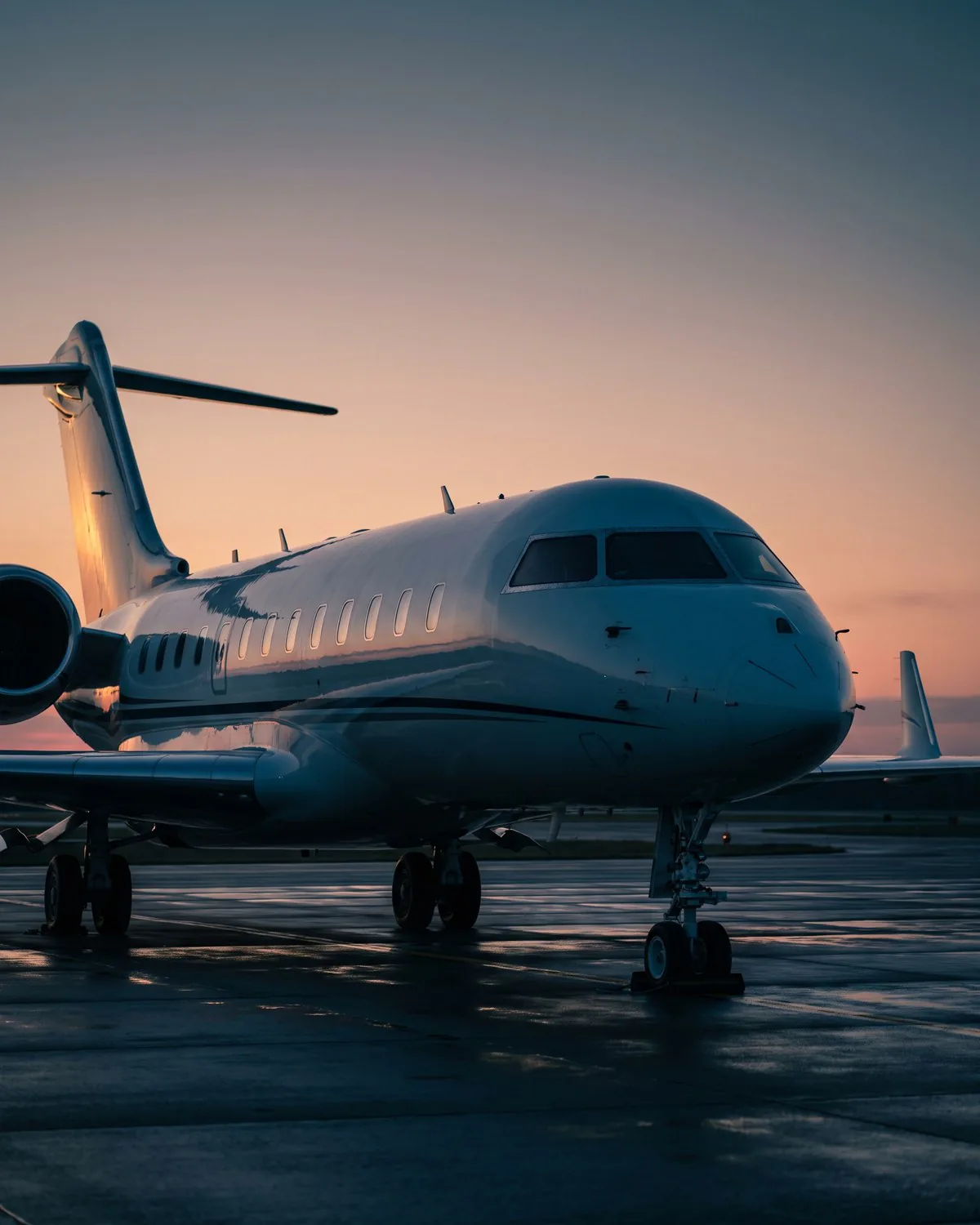
Private airlines, also known as charter airways or enterprise jets, cater primarily to people and companies in search of a more personalized and versatile travel experience. Unlike commercial airways that function on scheduled routes and adhere to strict rules, private airlines provide bespoke companies, typically permitting passengers to choose their departure instances, routes, and even the type of aircraft used. This case research explores the factors which have contributed to the growth of private airlines, their operational frameworks, and the implications for the broader aviation trade.
Progress of Private Airlines
The expansion of private airlines might be attributed to several interconnected factors:
- Economic Growth: As economies around the globe have expanded, notably in rising markets, the number of high-web-value individuals has elevated. These people typically search environment friendly journey options that save time and provide comfort, leading to a rise in demand for private air travel.
- Technological Advancements: Improvements in aviation expertise have made private flying more accessible. Improved aircraft designs, gas efficiency, and avionics have expanded the operational vary and security of private jets, attracting both businesses and leisure travelers.
- Altering Enterprise Practices: Companies are increasingly recognizing the value of time in business operations. Private airlines provide an answer to the inefficiencies of business air travel, enabling executives to achieve a number of locations in a single day without the constraints of commercial flight schedules.
- COVID-19 Pandemic: The pandemic has reshaped travel preferences, with a heightened focus on well being and security. Private airlines provide decreased exposure to giant crowds, personalised service, and the pliability to keep away from busy airports, making them a gorgeous possibility during and after the pandemic.
Operational Fashions
Private airlines operate on numerous business fashions, every catering to completely different market segments:
- On-Demand Charters: This mannequin permits customers to guide flights as needed, offering maximum flexibility. Companies like NetJets and Wheels Up have capitalized on this model, providing fractional possession options where purchasers buy a share of an aircraft.
- Membership Applications: Some private airlines supply membership-based providers, the place shoppers pay an annual fee for entry to a fleet of aircraft. This model supplies a cost-effective answer for frequent travelers while making certain availability without the commitment of possession.
- Company Jet Services: Many companies maintain their very own private jets or partner with private airlines to facilitate company journey. This model ensures that executives can travel efficiently while sustaining privacy and safety.
- Luxury Journey Experiences: Some private airlines concentrate on the luxurious market, offering bespoke companies that include gourmet catering, customized flight attendants, and exclusive airport lounges. Firms like VistaJet and PrivateFly have carved out niches in this section.
Challenges Faced by Private Airlines
Despite the growth and alternatives in the private airline sector, a number of challenges persist:
- Regulatory Hurdles: Private airlines should navigate a complex regulatory environment that varies by nation. Compliance with aviation security standards, licensing, and operational rules could be burdensome and dear.
- Value Administration: Working private jets entails vital prices, together with maintenance, gas, and staffing. The fluctuating value of gas and financial downturns can impression profitability, making value management a essential concern.
- Environmental Affect: The aviation industry is under increasing scrutiny relating to its environmental footprint. Private airlines face strain to undertake sustainable practices, equivalent to investing in gas-environment friendly aircraft or exploring different fuels, to mitigate their impact on local weather change.
- Market Competition: The private aviation market is turning into increasingly competitive, with new entrants and established gamers vying for market share. Differentiating services and maintaining customer loyalty are essential for achievement in this crowded landscape.
Impact on the Aviation Business
The rise of private airlines has had a profound impact on the aviation business as a whole:
- Market Diversification: The growth of private airlines has diversified the aviation market, making a wider vary of travel choices for shoppers. This has led to elevated competition, prompting commercial airways to reinforce their services to retain customers.
- Innovation and Expertise: The demand for private air travel has spurred innovation within the aviation sector. Firms are investing in new applied sciences, comparable to electric and hybrid aircraft, to satisfy the evolving needs of travelers and address environmental considerations.
- Job Creation: The enlargement of private airlines has generated numerous job opportunities throughout numerous sectors, including aviation maintenance, customer service, and flight operations. This growth contributes to the overall financial growth of regions where private airlines function.
- Altering Travel Dynamics: Private airlines have altered the dynamics of air travel, notably for enterprise travelers. The ability to fly directly to smaller airports, bypassing congested hubs, has transformed how firms strategy journey logistics.
Conclusion
The rise of private airlines represents a major evolution within the aviation business, pushed by economic development, technological advancements, and altering shopper preferences. Whereas challenges stay, the sector's development has diversified journey options, spurred innovation, and created financial opportunities. As the aviation panorama continues to evolve, private airlines will play an important position in shaping the future of air journey, catering to the increasing demand for personalized and efficient journey experiences.





